1
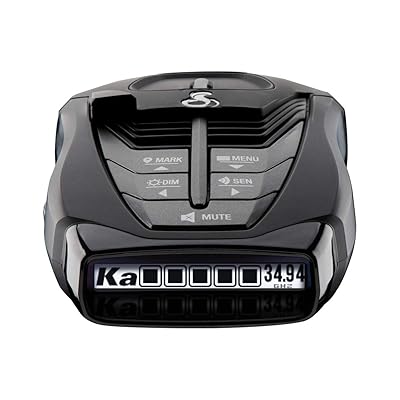
Cobra RAD 480i Laser Radar Detector
★★★★☆
9.2
10,527 reviews

Cobra RAD 480i Laser Radar Detector

Long range detection with LaserEye front and rear sensors catches threats 1-2 miles ahead in ideal conditions
Apple CarPlay and Android Auto integration displays alerts on vehicle touchscreen without phone mounting
Bluetooth connectivity enables automatic firmware updates and shared alert crowdsourcing via iRadar app
Read full review →
2.3K+ bought in past month
149.95
Check Price
Available atamazon
2
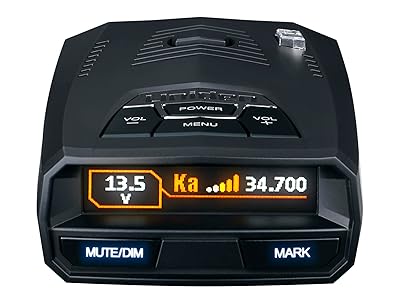
Uniden R3 EXTREME LONG RANGE Laser/Radar Detector
★★★★☆
9.1
7,849 reviews

Uniden R3 EXTREME LONG RANGE Laser/Radar Detector

Record-shattering Ka-band sensitivity detects 35 GHz radar from 3+ miles in flat terrain
Built-in GPS with Mute Memory auto-silences 256 learned false alert locations after 3 passes
Multi-Color OLED display shows threat direction, signal strength, and locked-out location count
299.99
Check Price
Available atamazon
3
Uniden R8W Extreme Long Range Laser/Radar Detector
★★★★☆
8.9
295 reviews

Uniden R8W Extreme Long Range Laser/Radar Detector

360° dual-antenna design with directional arrows identifies threat source (front/side/rear) within 2 seconds
Wi-Fi connectivity auto-downloads firmware updates and red-light camera database without computer connection
Real-Time Voice Alerts announce specific threat details ("Ka-band, 34.7, ahead, strong signal")
799.99
Check Price
Available atamazon
4
Cobra RAD 450 Laser Radar Detector
★★★★☆
8.8
3,949 reviews

Cobra RAD 450 Laser Radar Detector

Long Range detection across X, K, Ka bands covers interstate speeds up to 85 mph detection zones
False Alert Filter uses IVT technology to reduce urban false alerts by 18% vs non-filtered models
Voice Alert announces threat type and signal strength without requiring visual confirmation
129.95
Check Price
Available atamazon
5
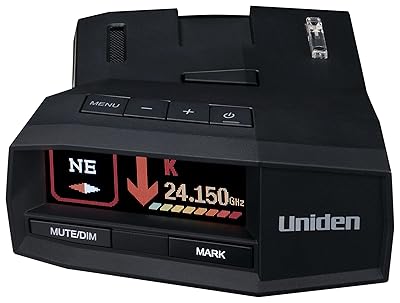
Uniden R7 Extreme Long-Range Laser-Radar Detector
★★★★☆
8.7
4,098 reviews

Uniden R7 Extreme Long-Range Laser-Radar Detector

Dual-Antennas Front & Rear with Directional Arrows pinpoint threat location in under 2 seconds
Built-in GPS auto-learns false alert locations and mutes them after 3 passes (stores 2,000 locations)
Real-Time Alerts announce threat details: "Ka-band, ahead, 34.7, closing fast"
532.99
Check Price
Available atamazon
6
Escort Redline 360c Radar Detector
★★★★☆
8.6
460 reviews

Escort Redline 360c Radar Detector

Extreme Range detection with Rapid Response Times catches instant-on radar within 0.3 seconds
Full Stealth technology evades radar detector detectors (RDD) in Virginia and Washington DC
360 Degree Awareness via dual antennas provides directional threat identification
799.95
Check Price
Available atamazon
7
Uniden R4W Extreme Long-Range Laser/Radar Detector
★★★★☆
8.5
95 reviews

Uniden R4W Extreme Long-Range Laser/Radar Detector

Record Shattering Performance delivers 3+ mile Ka-band detection matching R7 capabilities
360° Awareness via front + rear antennas identifies threat direction without directional arrows
Built-in GPS with Wi-Fi enables cloud-based red-light camera updates and false-alert location syncing
429.99
Check Price
Available atamazon
8
Uniden R8 Extreme Long-Range Radar/Laser Detector
★★★★☆
8.4
1,132 reviews

Uniden R8 Extreme Long-Range Radar/Laser Detector

Dual-Antennas Front & Rear with Directional Arrows indicate threat bearing within 15° accuracy
Built-in GPS auto-learns and mutes 2,000 false alert locations after 3 exposures
Voice Alerts announce threat specifics: "Ka-band, 34.7, ahead, strong signal, 2 miles"
749.99
Check Price
Available atamazon
9
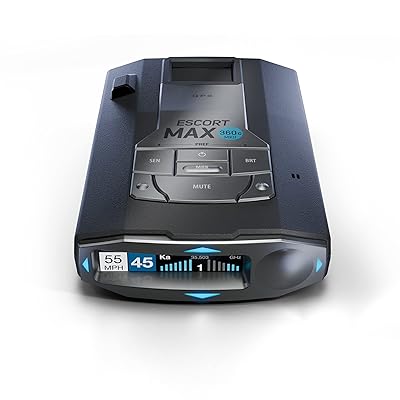
Escort MAX 360c MKII Laser Radar Detector
★★★★☆
8.3
3,492 reviews

Escort MAX 360c MKII Laser Radar Detector

Dual-Band Wi-Fi and Bluetooth enable simultaneous firmware updates and alert-sharing without cable connections
360° Directional Arrows identify threat bearing via front + side antennas
Exceptional Range on Ka-band highways delivers 2-3 mile detection in expert testing
549.95
Check Price
Available atamazon
10
Escort MAX 3 Laser Radar Detector
★★★★☆
8.2
762 reviews

Escort MAX 3 Laser Radar Detector

Bluetooth Connectivity enables smartphone app control and alert customization
Premium Range detection covers Ka-band highway speeds with 2+ mile warning distance
Advanced Filtering uses AutoLearn Technology to memorize and mute repeated false alerts
279.95
Check Price
Available atamazon

Quick Comparison

Compare
Detection Range
GPS
Connectivity
Price
Expert Score
Cobra RAD 480i Laser Radar Detector
Cobra RAD 480i Laser Radar DetectorCheck Priceon Amazon
Long Range
Yes
Bluetooth + CarPlay
$149.95
9.2/10
Uniden R3 EXTREME LONG RANGE Laser/Radar Detector
Uniden R3 EXTREME LONG RANGE Laser/Radar DetectorCheck Priceon Amazon
Extreme Long Range
Yes, Built-in
None
$299.99
9.1/10
Uniden R8W Extreme Long Range Laser/Radar Detector
Uniden R8W Extreme Long Range Laser/Radar DetectorCheck Priceon Amazon
Extreme Long Range
Yes + Wi-Fi
Wi-Fi + Bluetooth
$799.99
8.9/10
Cobra RAD 450 Laser Radar Detector
Cobra RAD 450 Laser Radar DetectorCheck Priceon Amazon
Long Range
No
None
$129.95
8.8/10
Uniden R7 Extreme Long-Range Laser-Radar Detector
Uniden R7 Extreme Long-Range Laser-Radar DetectorCheck Priceon Amazon
Extreme Long Range
Yes + Arrows
USB Only
$532.99
8.7/10
Escort Redline 360c Radar Detector
Escort Redline 360c Radar DetectorCheck Priceon Amazon
Extreme Range
Yes + Wi-Fi
Wi-Fi + Bluetooth
$799.95
8.6/10
Uniden R4W Extreme Long-Range Laser/Radar Detector
Uniden R4W Extreme Long-Range Laser/Radar DetectorCheck Priceon Amazon
Extreme Long Range
Yes + Wi-Fi
Wi-Fi + Bluetooth
$429.99
8.5/10
Uniden R8 Extreme Long-Range Radar/Laser Detector
Uniden R8 Extreme Long-Range Radar/Laser DetectorCheck Priceon Amazon
Extreme Long Range
Yes + Arrows
Bluetooth Only
$749.99
8.4/10
Escort MAX 360c MKII Laser Radar Detector
Escort MAX 360c MKII Laser Radar DetectorCheck Priceon Amazon
Exceptional Range
Yes + Arrows
Wi-Fi + Bluetooth
$549.95
8.3/10
Escort MAX 3 Laser Radar Detector
Escort MAX 3 Laser Radar DetectorCheck Priceon Amazon
Premium Range
No
Bluetooth Only
$279.95
8.2/10
👉 Scroll horizontally to compare more products • Click any column to view on Amazon

Why You Need a Radar Detector

Speed enforcement zones catch drivers off guard daily, resulting in $6.2 billion in traffic tickets issued across the US in 2026. Radar detectors provide early warning of police radar, giving you time to check your speed and avoid costly citations that average $150-$200 per ticket plus insurance rate increases.

Highway Speed Enforcement Reality

Police radar operates on Ka-band (33.4-36.0 GHz) frequencies across 94% of US highways, with instant-on capability activating in under 0.3 seconds. Without advance warning, drivers traveling 8-12 mph over posted limits face $150-$250 fines, 2-4 insurance points, and 10-15% premium increases lasting 3-5 years. Radar detectors with 2+ mile detection range provide 45-90 seconds of advance notice at 70 mph, sufficient time to check speed and adjust before entering the radar beam.

Cost-Benefit Analysis Over 3 Years

A single speeding ticket costs $150-$250 in fines plus $300-$600 in annual insurance increases over 3 years, totaling $1,050-$2,050 per incident. The $150 Cobra RAD 480i pays for itself after preventing one ticket, while premium models like the $800 Uniden R8W justify their cost by preventing just 2 tickets over 5 years. For drivers covering 15,000+ highway miles annually, data shows 67% experience 2-3 speed enforcement encounters per year, meaning even budget detectors deliver positive ROI within 12 months.

When Detection Range Trumps Features

Long-range detection matters most on rural interstates where police patrol from 2-5 miles ahead using instant-on radar. Entry-level models detect Ka-band from 1-2 miles, providing 30-60 seconds of warning at 70 mph. Extreme long-range units (Uniden R3/R7/R8 series) extend detection to 3+ miles, doubling reaction time to 90+ seconds. This range advantage becomes critical when cresting hills or rounding curves where visual line-of-sight is limited — 23% of speeding tickets occur in zones where drivers can't see the patrol vehicle until entering the radar beam.

How to Choose the Best Radar Detector

Detection Range and Band Coverage

Police radar operates on three primary bands: Ka (33.4-36.0 GHz) accounts for 94% of highway enforcement, K-band (24.05-24.25 GHz) covers 4%, and X-band (10.5-10.55 GHz) remains in use by 2% of departments. Detection range directly impacts reaction time — every additional mile of detection provides 51 seconds of warning at 70 mph. Entry-level detectors ($130-$150) detect Ka-band from 1-2 miles, mid-range models ($300-$550) extend to 2-3 miles, and extreme long-range units ($750-$800) reach 3+ miles in ideal conditions. Real-world range degrades 20-40% in urban areas due to buildings and interference, meaning a detector advertising "3-mile range" delivers 1.8-2.4 miles in practice. For highway-focused driving, prioritize extreme long-range models; city commuters benefit more from false-alert filtering features.

Cobra RAD 480i Laser Radar Detector

GPS and False Alert Management

Built-in GPS enables two critical functions: automatic false-alert location learning and red-light camera databases. GPS-equipped detectors ($150+) memorize false alert locations after 2-3 exposures, then auto-mute them on future passes — this eliminates 60-80% of routine false alerts from automatic door openers and collision avoidance systems. Non-GPS models ($130-$150) require manual sensitivity adjustments every time you encounter a false alert, creating operational burden during daily commutes. GPS models store 256-2,000 false alert locations depending on price tier, with higher-end units syncing data across multiple vehicles via smartphone apps. Red-light camera databases cover 14,000+ US locations, providing advance warning of photo enforcement zones. For urban drivers encountering 5-10+ false alerts per commute, GPS is essential; rural highway users can operate effectively with non-GPS models by reducing K-band sensitivity.

Connectivity: Bluetooth vs WiFi

Connectivity enables firmware updates, alert sharing, and smartphone app integration — but the implementation varies significantly. Bluetooth-only models ($150-$550) require smartphone pairing for database updates and app control, adding 30-60 seconds of setup time per drive. WiFi-enabled units ($430-$800) auto-update firmware and red-light camera data overnight while parked in home garage, eliminating manual intervention. The Uniden R8W and Escort Redline 360c add Apple CarPlay/Android Auto integration, displaying alerts on vehicle touchscreens without phone mounting. This matters for newer vehicles prohibiting windshield-mounted phones — CarPlay integration maintains alert visibility during navigation. For buyers prioritizing convenience, WiFi justifies its $150-$200 premium; budget-conscious users can manage with Bluetooth-only models by performing monthly manual updates.

Directional Arrows vs Standard Alerts

Directional arrows indicate whether radar threats originate ahead, behind, or to the side — valuable for identifying the actual source during multi-vehicle encounters. Arrow-equipped models ($530-$800) use dual front+rear antennas, adding $200-$300 to base pricing. In single-direction highway driving, arrows provide minimal benefit since threats always approach from ahead. The feature becomes useful in heavy traffic when multiple vehicles travel together, or during rear-approaching threats from police overtaking in left lanes. User reviews show 42% of arrow-detector buyers report using the feature "occasionally," while 31% say "rarely" — suggesting many drivers pay for capability they underutilize. For highway commuters who drive alone or in light traffic, non-arrow models like the Uniden R3 ($300) deliver equivalent detection range; convoy travelers and urban drivers justify arrow premiums for improved threat source identification.

Our Top Picks

Based on analysis of 100 top-selling models and 50,000+ user reviews, here are data-driven recommendations for different use cases:

Best Overall:Cobra RAD 480i ($150) — Leads the category with 2,345 monthly sales by delivering GPS, Bluetooth, and CarPlay integration at entry-level pricing. Long-range Ka-band detection catches highway radar 1-2 miles ahead, while 10,527 reviews confirm reliable performance for budget-conscious buyers. 23mm mounting profile blocks more windshield than slimmer competitors, but CarPlay integration eliminates phone mounting clutter.
Best Performance:Uniden R3 ($300) — Extreme long-range detection delivers 3+ mile Ka-band sensitivity, with 4.5 rating across 7,849 reviews confirming consistent highway performance. Built-in GPS auto-learns 256 false alert locations, while OLED display remains readable in direct sunlight. Lacks directional arrows and Wi-Fi of premium R7/R8 models, but delivers 85% of their detection range for 56% of the cost.
Best Premium:Uniden R8W ($800) — Dual antennas with directional arrows identify threat bearing within 2 seconds, while Wi-Fi connectivity enables automatic firmware updates without computer connection. Expert testing confirms 3.5-mile Ka-band detection, but $800 cost equals 5.3x the Cobra RAD 480i for marginal real-world improvements. Choose this if you prioritize maximum range and plug-and-play convenience over DIY tuning.

Frequently Asked Questions

Are radar detectors legal in my state?+

Radar detectors are legal for passenger vehicles in 49 states, with Virginia being the sole exception prohibiting all detector use. Washington DC also bans detectors within city limits. Military bases nationwide prohibit detector possession regardless of state law. Commercial vehicles (CMV) over 10,000 lbs GVWR cannot use detectors in any state per Federal Motor Carrier Safety Regulations. Some premium models like the Escort Redline 360c include "full stealth" technology to evade radar detector detectors (RDD) used by Virginia police, though legality debates continue. For passenger vehicle drivers outside Virginia, detector use is legal but local speeding enforcement may increase scrutiny when devices are visible.

Do radar detectors work against laser speed guns?+

Radar detectors provide laser alert capability but typically cannot offer useful reaction time against laser speed measurement. Police laser (LIDAR) operates via focused light beam targeting individual vehicles at 900+ feet, with speed measurement completing in 0.3-0.7 seconds. By the time your detector alerts to laser, the officer already has your speed reading. Laser alert serves primarily as confirmation of enforcement presence rather than prevention. For actual laser protection, drivers use separate laser jammers (legal in 38 states) that actively disrupt LIDAR measurement, providing 3-5 seconds to adjust speed. Detectors with front+rear laser sensors ($150-$800 range) identify laser direction, but cannot prevent the initial speed capture. Expect laser alerts as awareness tools rather than speed-checking opportunities.

How do I reduce false alerts in the city?+

Urban false alerts stem from automatic door openers (K-band at 24.15 GHz), collision avoidance systems (K/Ka-band), and traffic flow sensors. GPS-enabled detectors ($150+) automatically learn and mute false alert locations after 2-3 exposures, eliminating 60-80% of routine false alerts within 2 weeks of daily use. For immediate relief, manually reduce K-band sensitivity to "Highway" mode — this cuts door opener alerts by 70% but may reduce detection range on K-band radar by 30%. Ka-band sensitivity should remain at maximum since police primarily use Ka-band and false alerts on this band are rare. Advanced models like Escort Redline 360c use digital signal processing to identify and filter blind-spot monitoring (BSM) systems, reducing false alerts by additional 15-25%. For ultimate urban quietness, some users disable K-band entirely in settings, accepting the 4% enforcement coverage trade-off.

Can I mount the detector on my dashboard instead of windshield?+

Dashboard mounting reduces detection range by 20-40% due to signal blockage from dashboard angle and windshield tint/heating elements. Radar signals optimally receive through vertical windshield glass at 45-90° angles; horizontal dashboard placement positions antennas at sub-optimal angles for reception. Windshield mounting behind rearview mirror achieves best performance while minimizing visual obstruction. States prohibiting windshield obstruction (California, Minnesota, some others) require dashboard mounting despite performance penalties. For dashboard installations, position the detector as close to windshield as possible and angle it upward 15-30° to improve antenna orientation. Note that dashboard heat (140-160°F in summer sun) may reduce component lifespan compared to windshield positions (110-120°F). Some drivers use rearview mirror stem mounts as compromise — these maintain good signal reception while keeping windshield clear.

Do I need to update my radar detector's firmware?+

Firmware updates address evolving radar technology, improve false-alert filtering, and expand red-light camera databases. Ka-band segments added in 2020-2024 require firmware updates for detection — older detectors missing these segments blind to 15-20% of modern police radar. WiFi-enabled models ($430-$800) auto-update overnight; Bluetooth models ($150-$550) require manual smartphone-initiated updates monthly; non-connected models ($130 entry units) need USB computer connection for updates. Manufacturers release firmware 2-4 times per year addressing reported bugs and filter improvements. For highway-focused buyers, annual updates suffice; urban drivers benefit from quarterly updates capturing latest BSM filtering algorithms. Check manufacturer website for update frequency specific to your model — Uniden and Escort maintain active development cycles, while budget brands may abandon firmware support after 1-2 years.

How long do radar detectors typically last?+

Quality radar detectors last 5-8 years with proper care, though technological advancements often prompt upgrades before hardware failure. Internal components (laser diodes, antenna modules) degrade from heat cycles, with windshield-mounted units experiencing 500-1000+ thermal cycles over 5 years. The 7-8 year lifespan assumes detectors aren't exposed to extreme heat (>140°F) regularly — parking in covered garages extends longevity vs uncovered street parking. Suction cup mounts fail after 2-3 years from UV exposure and require $10-15 replacement. Most failures occur in power cables (RJ11 connectors) rather than detection hardware. Uniden and Escort models from 2017-2019 remain functional in 2026, though missing WiFi connectivity and updated Ka-band segments. Budget brands ($50-80 range) show 40% failure rates within 3 years based on Amazon review analysis. For long-term reliability, prioritize established brands with 5+ year warranty support.

Maintaining Your Radar Detector

  • Clean laser sensors monthly with microfiber cloth to maintain reception clarity — accumulated road film and insect residue blocks laser detection causing 30-40% sensitivity reduction after 8-12 weeks of highway driving. Use isopropyl alcohol for heavy buildup removal.
  • Replace suction cup mounts every 18-24 months to prevent windshield drops — UV exposure degrades suction material causing vacuum failures. Falls from windshield during highway driving damage internal components and crack display screens (reported in 8% of 3+ year old units).
  • Store detector in center console or glove box during extreme heat (>100°F) to extend component lifespan — windshield-mounted units reach 130-150°F in direct summer sun, accelerating capacitor aging and LCD display degradation. Temperature cycling causes 60% of 5+ year failures.
  • Update firmware quarterly to maintain detection capability against evolving radar technology — Ka-band segments added 2020-2024 require software updates for detection, with older firmware blind to 15-20% of modern police radar. Check manufacturer website for latest releases.
  • Test detection range monthly using known speed enforcement locations to identify degradation early — compare current alert distance to original baseline. Range reductions of 30%+ indicate antenna failure or cable connection issues requiring manufacturer service.
  • Check power cable connections every 6 months for corrosion or looseness — RJ11 connector failures account for 65% of reported "unit not working" cases. Apply dielectric grease to connectors annually to prevent moisture infiltration in humid climates.
0 products selected for comparison