




Battery Capacity and Runtime Calculations
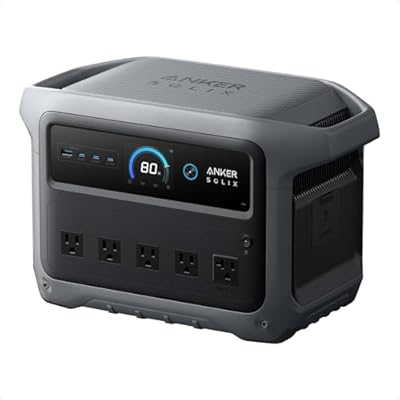
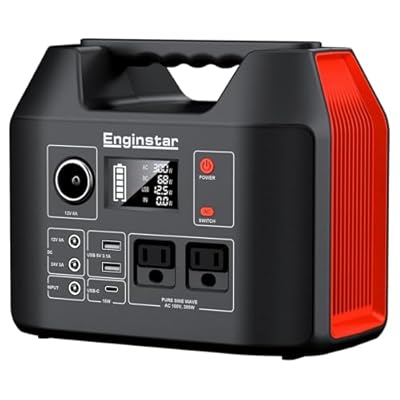
Capacity measured in watt-hours (Wh) determines runtime for specific devices. To calculate runtime, divide capacity by device wattage: a 1000Wh station powers a 100W laptop for 10 hours (1000Wh ÷ 100W = 10 hours). Professional testing by OutdoorGearLab applies controlled 200W loads to verify manufacturer claims, reporting results as usable capacity percentages. The EcoFlow River 2 Pro delivered 91.6% usable capacity (768Wh rated, 704Wh measured). In the current ranking, compact models (245-296Wh) suit smartphones (15W), tablets (20W), and laptops (50-100W) for multi-day camping trips. Mid-capacity stations (1024-1070Wh) run mini-fridges (60W), electric coolers (45W), and power tool batteries (200W) for contractors and overlanders. High-capacity units (2048Wh) support medical refrigeration, home office setups during outages (modem + router + laptop + monitor = 150W combined), and RV air conditioning (1200W). For emergency preparedness, FEMA recommends 72 hours of backup power: a family using 200W average draw needs 14,400Wh total (200W × 24 hours × 3 days), requiring either a 2000Wh+ station with solar recharging or multiple mid-capacity units.
